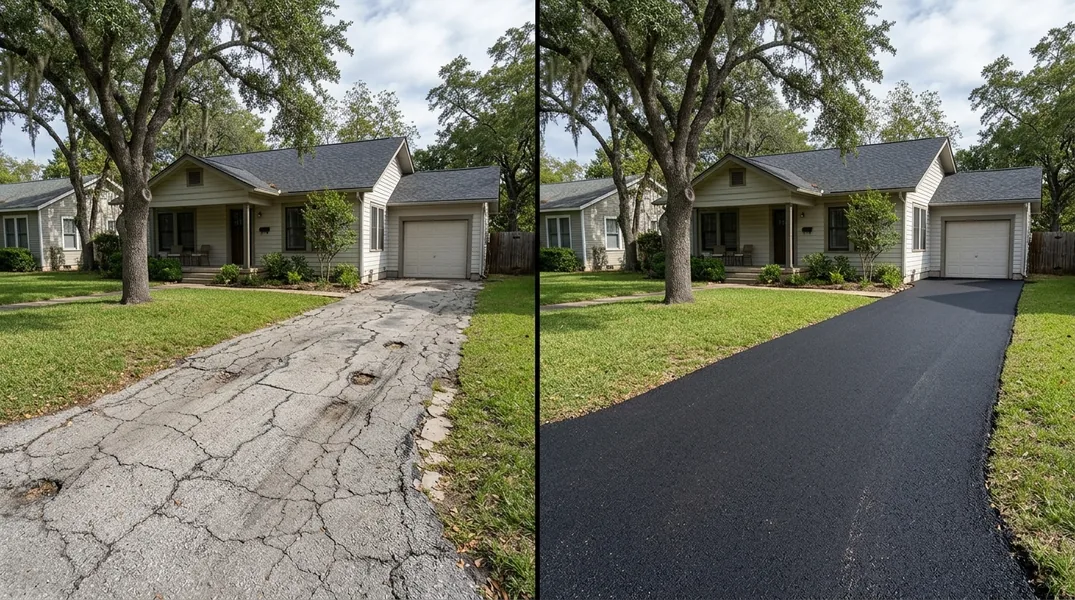
Understanding Your Driveway Options in Austin
When it comes time to install a new driveway or replace an aging one in Austin, homeowners face a critical decision. Three primary materials dominate the market: asphalt, concrete, and tar and chip. Each has distinct advantages and drawbacks, and the right choice depends on your budget, climate tolerance, and long-term maintenance expectations. Austin's hot summers, occasional freeze-thaw cycles, and intense UV exposure create unique challenges that not every driveway material handles equally well.
Understanding the differences between these three options is essential before committing to a major home improvement investment. The material you select will influence not only your immediate out-of-pocket expense but also the frequency and cost of repairs over the next 10 to 20 years. Let's break down each option so you can make an informed decision tailored to Austin's specific climate and your household needs.
Asphalt Driveways: The Popular Choice for Austin Homeowners
Asphalt Driveway Paving & Installation remains one of the most popular choices for residential driveways across Austin and the surrounding areas. Asphalt, also known as blacktop, is a mixture of bitumen and aggregate materials that creates a dark, smooth driving surface. The primary appeal of a blacktop driveway is its affordability, quick installation time, and immediate usability once it cures.
The asphalt driveway lifespan typically ranges from 15 to 20 years with proper maintenance, though some driveways can last longer with regular sealcoating and timely repairs. In Austin's hot climate, the dark surface does absorb significant heat, which can cause slight softening during peak summer months. However, quality asphalt is designed to handle this stress. Regular maintenance, including seal coating every two to three years and prompt Driveway Repair of cracks and potholes, can extend your asphalt driveway lifespan considerably and keep your investment looking fresh and functional.
Concrete Driveways: Durability Meets Higher Initial Cost
Concrete driveways offer exceptional durability and require significantly less maintenance than asphalt. When comparing asphalt vs concrete driveway options, concrete typically lasts 25 to 30 years or longer, making it an attractive option for homeowners planning to stay in their homes for decades. Concrete is also more resistant to oil stains and doesn't soften in extreme heat the way asphalt can, which makes it particularly suitable for Austin's scorching summers.
The primary drawback of concrete is its initial cost, which typically runs 30 to 50 percent higher than asphalt. Additionally, concrete can crack over time due to freeze-thaw cycles, ground settling, and the natural expansion and contraction caused by temperature fluctuations. Austin's occasional winter freezes can be problematic for concrete, even though the region doesn't experience severe winter weather. Repairing concrete cracks often requires professional intervention, and the repairs are usually more expensive and less seamless than patching asphalt. For homeowners considering an asphalt over concrete driveway approach, this is possible but requires proper preparation and isn't always recommended by professionals.
Tar and Chip: A Budget-Friendly Alternative
Tar and chip, also known as macadam or chip seal, is a less common but increasingly popular option for budget-conscious homeowners. This material consists of a tar or bitumen binder sprayed over gravel or crushed stone, creating a rustic, unpaved appearance with solid traction. The initial installation cost is typically 30 to 50 percent less than asphalt, making it an attractive option for those with limited budgets.
However, tar and chip comes with significant maintenance requirements and a shorter lifespan. You can expect 5 to 7 years of service before needing major rework, and the surface requires regular raking and stone replacement as material shifts and washes away. It's also messier than asphalt or concrete, with loose stones occasionally tracked onto adjacent surfaces. During Austin's hot summers, tar and chip can become sticky and soft, and heavy rains can cause washouts. While it may seem economical upfront, the frequent maintenance and shorter service life often make it more expensive over time compared to properly maintained asphalt or concrete.
Asphalt Driveway Lifespan and Maintenance: Maximizing Your Investment
The asphalt driveway lifespan depends heavily on how well you maintain it. While the material itself may last 15 to 20 years, neglected asphalt can fail in as little as 8 to 10 years. Regular maintenance is the key to extending your driveway's life and avoiding costly emergency repairs. Seal coating your asphalt every two to three years protects the surface from UV damage, water infiltration, and oxidation. Addressing small cracks and potholes immediately through Pothole Repair & Asphalt Patching prevents them from expanding into larger, more expensive problems.
In Austin's climate, where intense sun exposure is a constant concern, investing in professional seal coating is particularly important. Many homeowners also benefit from Asphalt Resurfacing & Overlay services when their driveway shows significant wear but the underlying base remains sound. This approach can extend the life of your driveway by another 10 to 15 years at a fraction of the cost of complete replacement. When you factor in these maintenance costs alongside the initial installation expense, asphalt often proves to be the most cost-effective solution for Austin homeowners.
Cost Comparison: What to Budget for Your Driveway Project
When evaluating asphalt vs concrete driveway costs, the numbers tell a clear story. Asphalt typically costs between $3 and $5 per square foot for installation, while concrete ranges from $4 to $8 per square foot. For a standard 500-square-foot driveway, asphalt installation might run $1,500 to $2,500, while concrete could cost $2,000 to $4,000. Tar and chip is the cheapest option upfront at $1 to $3 per square foot, but remember that this lower initial cost doesn't account for frequent maintenance and earlier replacement needs.
Beyond installation, you must factor in ongoing maintenance and repair expenses. Asphalt requires seal coating every two to three years (typically $100 to $300 per application), while concrete requires minimal maintenance beyond occasional cleaning and crack sealing. Tar and chip demands the most frequent attention, with regular raking and stone replenishment adding up quickly. For a detailed breakdown of asphalt driveway pricing specific to your project, contact Austin Asphalt Paving at (737) 256-6070 or request a free estimate today. Our team can assess your property and provide transparent, competitive quotes for any of these three options.
Which Material Is Right for Your Austin Home?
The best driveway material for your home depends on your priorities, timeline, and budget. If you value affordability, quick installation, and a proven track record in Austin's climate, asphalt is an excellent choice. If you're willing to invest more upfront and prefer minimal maintenance over the next 25+ years, concrete may be worth the premium. If your budget is extremely tight and you don't mind frequent upkeep, tar and chip could work as a temporary solution.
The most important step is consulting with experienced professionals who understand the unique demands of Austin's climate and soil conditions. Austin Asphalt Paving has years of experience installing and maintaining all three driveway types for local homeowners. We can help you weigh the pros and cons based on your specific situation, property layout, and long-term goals. Reach out to us at (737) 256-6070 or visit our website to request a free estimate and start your driveway project with confidence.
Looking for a professional asphalt paving contractor in Austin? Austin Asphalt Paving responds fast for all your asphalt paving needs.
Get a Free Quote